PU Leather Handbags: A Retailer's Guide to Quality, Care and Selling Faux Leather in Pakistan
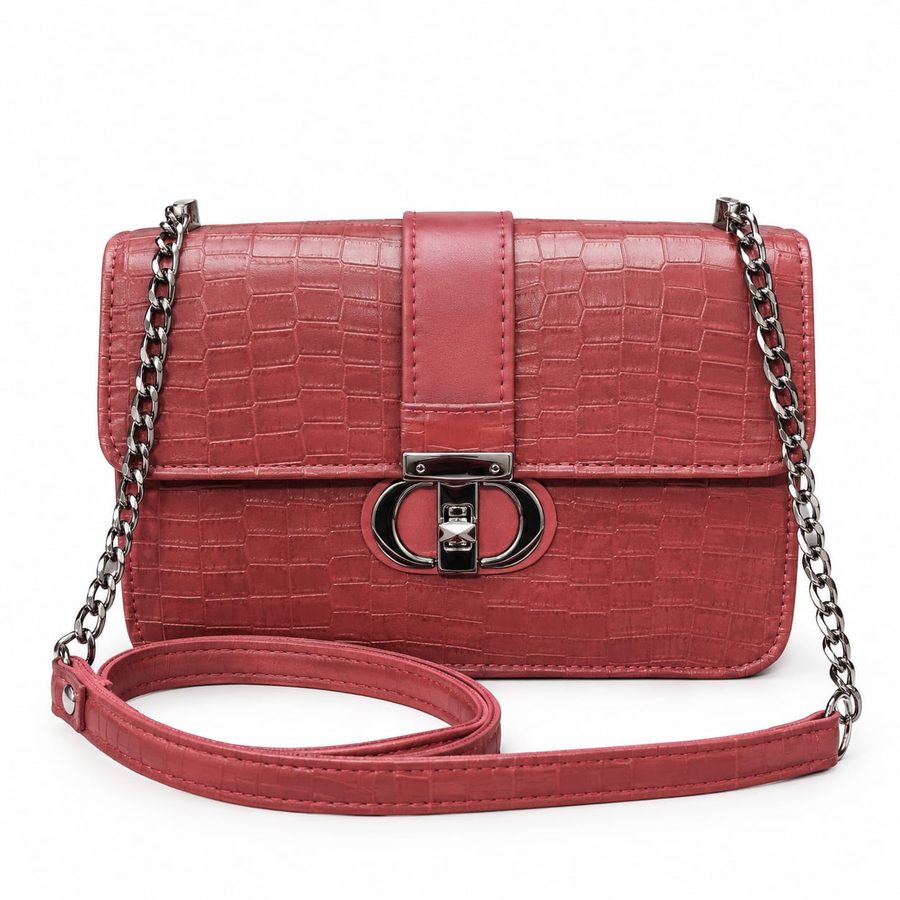
Walk into any ladies bag shop in Pakistan and most of what you see — the totes, the crossbody bags, the shiny party clutches — is made of PU leather. Retailers often call it rexine or artificial leather; customers call it everything from "leather-look" to just "leather". Whatever the name, PU is the material the wholesale handbag trade runs on, and a retailer who understands it buys better, stores better and sells with confidence.
This guide covers what PU leather really is, why one PU bag outlasts another, and how to handle the questions customers ask about it.
What PU leather actually is
PU stands for polyurethane. PU leather is made by coating a fabric base — usually a polyester or cotton-blend backing — with a layer of polyurethane resin, then embossing that layer with a grain. That embossing is why PU can imitate so many finishes:
- Smooth and pebbled grains for everyday totes and handbags
- Croc and snake textures for formal and party bags
- Cross-grain (saffiano-style) finishes that resist scratches and look premium
- Patent and glossy finishes for evening styles
- Soft, matte finishes that feel close to nappa leather
Because the colour is mixed into the coating, PU comes in colours genuine leather cannot match at wholesale prices — which is how one bag design can honestly be offered in 7 colours.
Why the trade runs on PU
For a retailer, PU's advantages are practical:
- Price — a PU handbag wholesales at a fraction of a genuine leather bag, so the retail price stays within reach of the mass market
- Consistency — every piece in a batch of 50 looks the same; no natural hide marks or colour variation
- Light weight — customers carrying a bag all day notice this
- Easy cleaning — a damp cloth handles most marks, which shop staff can demonstrate in seconds
- Colour range — seasonal colours (emerald for mehndi season, maroon for barat) are cheap to produce and fast to reorder
Not all PU is equal — the quality ladder
The one thing every experienced bag retailer knows: cheap PU and good PU look similar on day one and very different in year two. The differences sit in three places:
- The coating — thicker, well-cured coatings resist cracking. The best modern tier, often called microfiber PU, uses a microfiber base and lasts noticeably longer.
- The backing — a strong, tightly woven base stops the coating from tearing away at stress points like handles and strap joints.
- Peeling resistance — low-grade PU can start flaking or peeling after a year or two, faster in heat and humidity. Better grades are treated to resist this (called hydrolysis resistance in the trade).
This is why two bags that look identical in a catalogue photo can carry very different wholesale rates — and why the cheapest quote is not always the cheapest bag over its life.
Checking PU quality before you order
When a supplier shows you a PU bag, five quick checks tell you most of what you need:
- Bend the material — fold a corner or strap and release it. Good PU springs back smooth; poor PU keeps a white crease line.
- Look at the edges — clean edge paint with no fraying backing showing means careful finishing.
- Feel the backing at an inside seam — thin, papery backing is a warning sign.
- Smell the bag — a strong chemical smell suggests cheap solvents; good PU has only a mild new-product smell that fades quickly.
- Check the partners, not just the PU — zips, lining and stitching fail before good PU does. Judge the bag as a whole.
Storing PU stock in your shop
PU ages on the shelf if it is stored badly, and Pakistan's summers are not kind to it:
- Keep stock away from direct sunlight and heat sources — heat is PU's biggest enemy
- Do not stack glossy or patent bags against printed or dark bags — colours can transfer between coatings
- Keep bags stuffed with their paper filling so folds do not set into creases
- In monsoon months, keep the stock room dry and aired; a few silica packets in storage boxes help
- Rotate stock — sell older pieces first. Buying in season-sized quantities (one more reason for a sensible minimum order) means PU sells while it is fresh instead of ageing in a godown
Answering the customer: "Is this real leather?"
Sooner or later a customer will ask. The winning answer is an honest one: "No, this is PU — faux leather. That's why it's this price, why it comes in these colours, and why it wipes clean." Customers respect straight dealing, and the honest explanation turns the material into the selling point instead of a secret. What destroys trust is the opposite — letting a customer believe PU is genuine leather. She will find out, and she will not come back.
A short comparison for the counter conversation:
- Genuine leather — costs several times more, needs conditioning, heavy, lasts many years, colours limited
- Good PU — affordable, light, wipes clean, wide colour choice, lasts well with basic care
- Cheap PU — the false economy: looks fine in the shop, peels early, and brings the customer back angry instead of buying
Stock PU bags from MAZCO PURSE HOUSE
MAZCO PURSE HOUSE, Shah Alam Market, Lahore, supplies boutiques and retailers all over Pakistan. Our wholesale range has 36 ladies handbag designs — tote bags, shoulder bags, crossbody bags, handbags and mini bags — with 7 colours in every design and a minimum order of just 10 pcs, so you can test a finish or colour in a small quantity before committing. We deliver nationwide, and we can add your own logo to the bags and make designs specially for your brand.
Browse all 36 designs on our shop page and message us on WhatsApp to discuss your order — we are happy to guide you on which finishes sell best in your market.
Stock these styles in your shop
MAZCO PURSE HOUSE supplies 36 ladies' handbag designs wholesale from Shah Alam Market, Lahore — every design in 7 colours, minimum order just 10 pcs, with delivery all over Pakistan. We can also add your own logo to the bags and make designs for you.